.png)


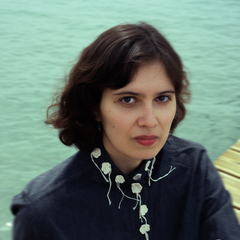
Interview with Zhenia Kazankina, City of Owls director
by Raphaëlle Pireyre
by Raphaëlle Pireyre
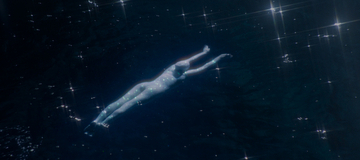
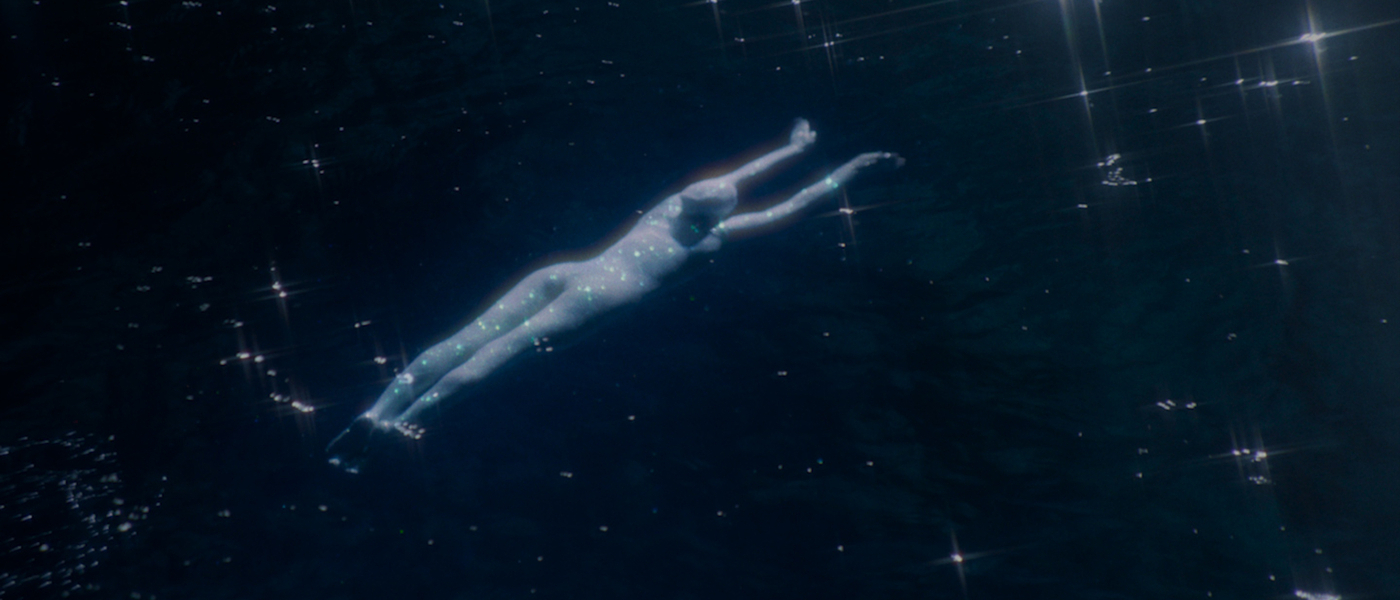
Before leaving for an unknown destination, a young woman tells her little sister an apocalyptic tale. In a gentle voice, she speaks of an endless night that has descended upon the world, and to which everyone adapts as best they can. A gentle, poetic fable City of Owls reflects on Russia, war, and the energy crisis through the language of a fairy tale.
Interview with Zhenia Kazankina
You talk about a dark subject in the form of a children's tale.
I moved to Italy in 2023. The starting point of the film is my own emigration; it gave me some distance from my country, my previous life, and my family. I grew up watching Soviet animation, which remains deeply rooted in my tastes. When I left Russia, I was still haunted by the songs of those fairy-tale cartoons which have a sense of doom and tragedy. As the authors couldn’t speak openly, they used metaphorical and naive stories to hide their opinions. I somehow inherited this type of storytelling. My own nostalgia made me want to make a film filled with love and sweetness.
In City of Owls, melancholy comes from a repetitive melody that calls to mind a music box.
I worked with a very talented Russian composer, who now lives in Berlin. We listened to the music of Eduard Artemyev, who is known for making the scores for Tarkovsky’s films, but who also composed for many Soviet cartoons. I had this idea of a music box going in circles, so that the melody would feel like a lullaby.
Although the story feels like a dream, it addresses concrete problems that could stem from the lack of light, such as vitamin D deficiency.
I wanted to create a metaphor for a widely shared but absurd narrative, the idea that existing problems only make us stronger. And that their solution becomes so prevalent, it turns us away from the origin of the issue. So rather than understanding how to find the light again, we invent something “better” than sunlight and electricity.
How did you shoot at night?
We shot during the summer, so nights were very short; and we also had animals, kids, and a lot of extras on set, we piled on difficulties. So we had to be very well prepared. For the park scene, we rehearsed a lot with stand-ins so that everyone understood the mise-en-scène.
You open the film with a shot of a beautiful blanket.
I’m a big fan of craft. I like it when you can feel that a film was made by people, literally made by hand. We created that embroidered blanket for the film as a kind of tapestry of the story. The opening sequence introduces the viewer to the scenes and the characters. This object also evokes sleep and nighttime storytelling. I also wanted the smooth rhythm created by the patterns of the tapestry to make it feel a bit like a cartoon.
The truck driver is rather mysterious.
I wanted to create a character who just keeps going as if he doesn’t even notice that something has changed. We almost feel he doesn’t belong in this world. He seems to adapt to the darkness and turns into an owl. It’s his way to survive this endless night. But is it the only one?
At La Semaine de La Critique