.png)


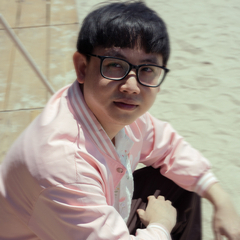
Interview with Tossaphon Riantong, หาอะไร? (What do you seek in the dark ?) director
by Grégory Coutaut
by Grégory Coutaut
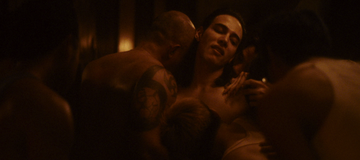
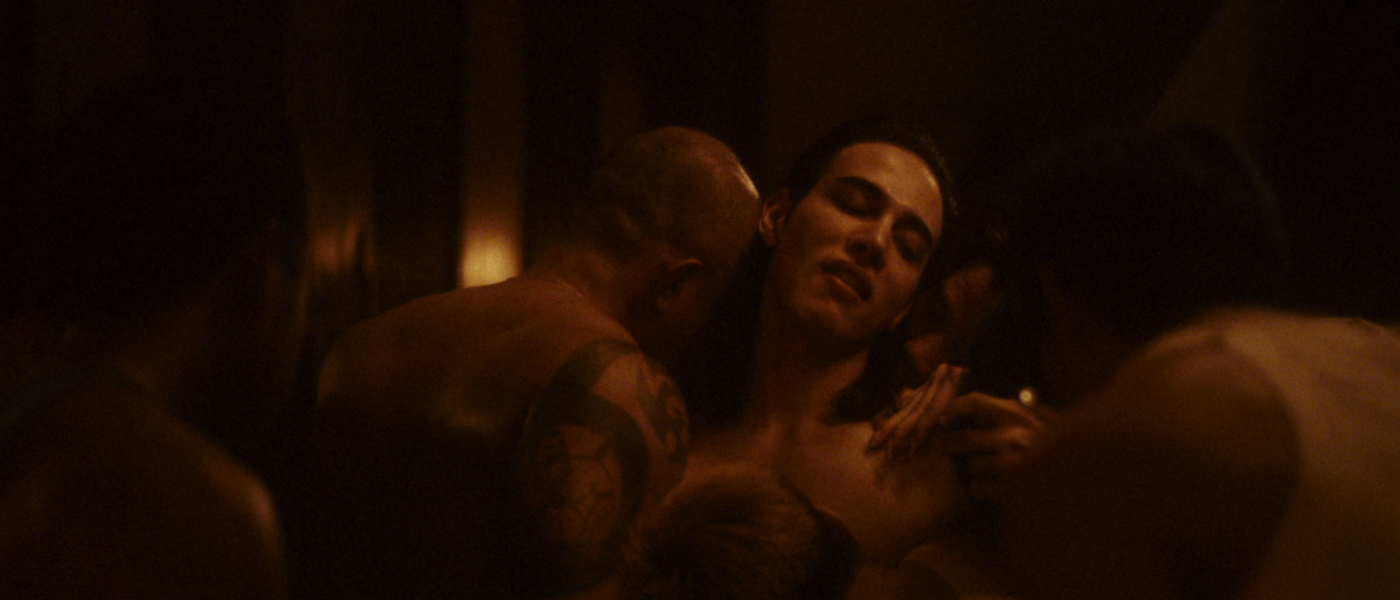
“It is films that watch us,” not the other way around. You’ll probably never think about Yasujirō Ozu’s quote in the same way ever again, after following the protagonist of What Do You Seek in the Dark? into his delicious descent into hell. In the shadowy corners of this cinema, in all its ghostly splendor, no one has come to watch this old copy of Nosferatu, but rather to find one or more sexual partners. This queer and vampiric game of hide-and-seek, packed with cinephilic thrills, turns us into voyeuristic spectators, ready in turn to step through the looking-glass.
Interview with Tossaphon Riantong
What are we actually looking for in the dark?
As a filmmaker, I’m interested in the history of independent cinemas in Thailand. They are slowly disappearing and are being replaced by multiplexes in shopping malls. To survive, some owners must therefore sometimes turn a blind eye and let gay men use the premises for sex. Furthermore, as a gay man, I’m interested in cruising etiquette. In our modern age, where it’s so easy to meet people – especially with dating apps specifically designed for gay men – why are some still willing to engage in this risky activity? Probably because, in these dark places, we are looking for something completely different.
Erotica and horror hand in hand
I think that erotica and horror share a common core, namely a form of voyeurism. In both cases, I believe the ideal balance between giving enough hints and not revealing too much is not about assessing how much skin or blood can or should be shown, but rather about managing the viewers’ anticipation. If you reveal too much, sex scenes and horror scenes lose their mystery and turn into simple anatomical descriptions; but if you hide too much, the audience doesn’t feel immersed in the world of the film.
A nod to Murnau’s Nosferatu
I had three reasons for referencing Nosferatu. First, the vampire is a creature banished to the darkness, forced to hide its identity from normal society. It is the perfect reflection of the history of LGBTQ+ people, who were long forced to hide and use dark places like this one simply to be themselves and get together. Second, vampires are a concentration of primary instincts: they hunt for blood at night the same way cruising gays hunt for flesh in the dark. Finally, Nosferatu is famous for its eloquent use of shadows. I wanted to echo this in my film by deliberately making darkness the protagonist. Darkness in cinema is not just there to create atmosphere: the way shadows prevent audiences from clearly seeing things actively triggers their voyeurism.
Cinema audience as voyeurs
The very nature of watching a film is a form of voyeurism. We sit together in the dark to secretly observe the desires and fears of others. What I did in the film is merge the voyeurism of watching a film with the voyeurism of cruising. In this sense, it’s a tribute – to traditional independent cinemas that are disappearing from Thai society, and to the power of pure fascination in a specific kind of marginal filmmaking that dares to explore the darker sides and raw impulses of human nature.
At La Semaine de La Critique