.png)


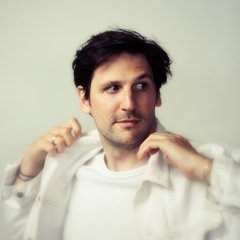
Interview with Félix de Givry, Goodbye Cruel World director
by Gautier Roos
by Gautier Roos
Reconnecting with a kind of 70s wayward cinema, Goodbye Cruel World tells the story of today’s youth with great tenderness.
Interview with Félix de Givry
The first image was one of willful disappearance, someone stepping away from the world. My protagonist, whose name was already Otto, was initially a bit older. It was while working with my co-screenwriter Marie-Stéphane Imbert that he shed a few years. Bullying - which I experienced myself as a teenager – found its way into the story as a starting point. The idea of a failed suicide attempt also allowed to explore the ghost film genre and to begin from a place of anger and frustration before moving towards something more gentle.
This film wasn’t easy to make, it’s a heavy subject and decision-makers found the character somewhat amoral, hard for the audience to relate to… We really took our time in the editing room to shape its very peculiar rhythm and musicality, working with silences, without ever rushing nor choosing the easy option. My composer and friend, Arnaud Toulon, wrote a musical theme – a melody that is heard regularly throughout the story – that drives the narrative and isn’t a simple bridge between scenes. In animated films we’re still used to this, but in live-action films, melodic scores have pretty much disappeared. Goodbye Cruel World has been years in the making and seeing it selected at La Semaine de la Critique is a source of immense pride.
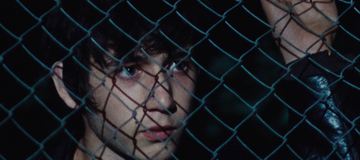
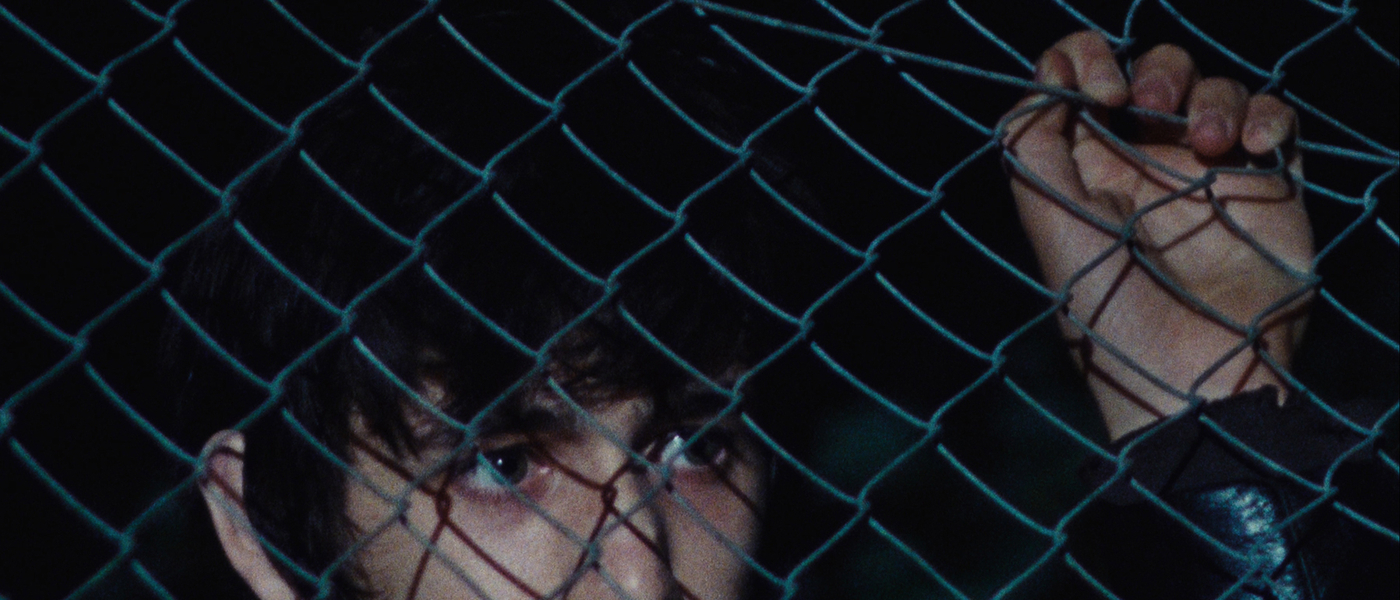
One of Robert Bresson’s films was a major reference for the team, particularly in terms of visuals: Four Nights of a Dreamer, inspired by Fyodor Dostoevsky’s White Nights. It’s a genius film about night – a way of shooting night that has fallen out of favour: we tend to want to show everything, to hide nothing, it’s often overlit (watching excerpts from Goodbye Cruel World, I realise how dark they are; it’s unwatchable on a smartphone…) I wanted the film to start in pitch darkness and end in the harsh summer light.
I also love the cinema of François Truffaut, both his darker work and his romantic films: Two English Girls helped us shape and position Françoise Lebrun’s voice over. The idea of a world apart from the world, a space-time continuum that belongs only to the characters and pushes adults off-screen might be reminiscent of The Hussy… I could also mention the cinema of Guy Gilles, which hovers as a constant reference. And of course Buffalo ‘66, Douglas’s Sirk’s melodramas – which have ignited in me something very powerful around the cathartic power of fiction – as well as A Swedish Love Story, They Live by Night, Splendor in the Grass…
At La Semaine de La Critique