.png)


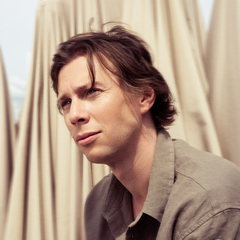
Interview with Alexander Murphy, Tin Castle director
by Laura Pertuy
by Laura Pertuy
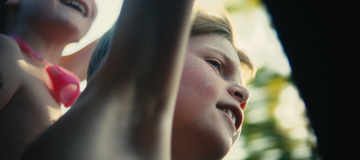
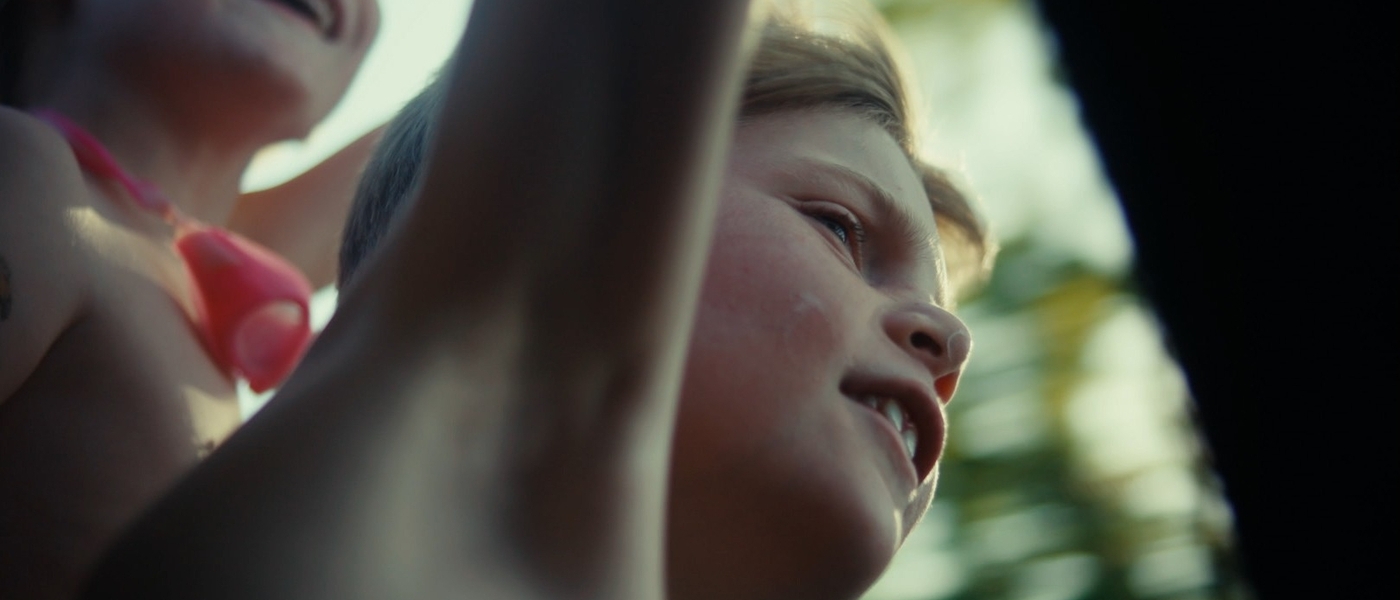
In a battered caravan by the side of the road lives the large, loving, and close-knit O’Reilly family, enjoying a happy life removed from the noise of society and its conventional norms. The full art of the chronicle as a sensitive and personal form of expression emerges from this moving ode to the Irish Traveller community and to alternative ways of life. A light-hearted representation of family relations offered by Franco-Irish documentarian Alexander Murphy in his second feature film, Tin Castle
Interview with Alexander Murphy
What drew you to the O’Reilly family, and why did you decide to make a documentary film about them?
I was deeply curious about the Irish Travellers community, which is highly stigmatised – both by Irish society and part of my family. They are said to be unapproachable, extremely dangerous; there’s this whole myth about them. I wanted to understand the reasons for this rejection and discover who they really are.
I started taking photographs of different people and families. I very quickly became disillusioned because I arrived with the sense that they were extremely free, extremely proud people, but I found quite the opposite: they were fairly sedentary, confined to specific areas and had very little space to exist. Over time, they have come to hide their identity in order to be accepted or to adapt to Irish society.
Then one day, I met the O’Reillys – a rather unique family, living on the fringes of the fringes: on the margins of society and the Traveller community itself. They didn’t live on a site, but on their own, completely isolated. There was something magical and rather uncanny about them; and above all, I immediately fell in love with them. I met them in 2020, and every year when I returned to Ireland to meet other Travellers, I always felt the urge to see them again, to spend time with them, to show them my photographs…
We are completely immersed in this family’s life; how did you find your place within it?
It’s one thing to film an Irish Traveller family living by the side of the road, it’s quite another to be invited into their caravan to talk about deep and sensitive subjects. Over the five years I spent with them, I have built relationships of trust that have allowed for a certain earnestness to emerge. At first, I wanted to make myself invisible, but that’s a very theoretical stance that simply doesn’t work. Instead, I tried to make the camera the O’Reilly’s eleventh child. Gradually, I was no longer filming Travellers, but a family. I realised that what I was capturing was something essential and very simple: love in its rawest form.
I wanted Irish Travellers to almost be a family video because we’re used to seeing Travellers through a rather folkloric, brutal lens, often with a great deal of artifice. I was looking for something more honest. I wasn’t necessarily interested in exploring adult issues in great detail. Here, we adopt the perspective of children, who understand something is wrong but don’t really know what it is; I believe that’s a more compelling point of view. Filming this family brought back nostalgic memories of my childhood in Ireland: the colours, the summer heat – we were shirtless eating ice-cream, swimming in the river, taking my uncle’s tractor to buy sweets…
At La Semaine de La Critique